From Davis to the World: The Global Impact of the UC Davis Strawberry Breeding Program
A strawberry plant developed at the University of California, Davis, may begin its life in a California research field, but its impact can reach communities thousands of miles away.
For over a century, the UC Davis Strawberry Breeding Program has developed varieties designed to improve yields, fruit quality, disease resistance and adaptability to different growing conditions. While California has long benefited from this research, its influence now extends around the world, including to the Central Asian nation of Kyrgyzstan.
There, UC Davis strawberry genetics, combined with California production expertise, are helping growers increase yields and improve the economic prospects of rural communities.
A partnership begins
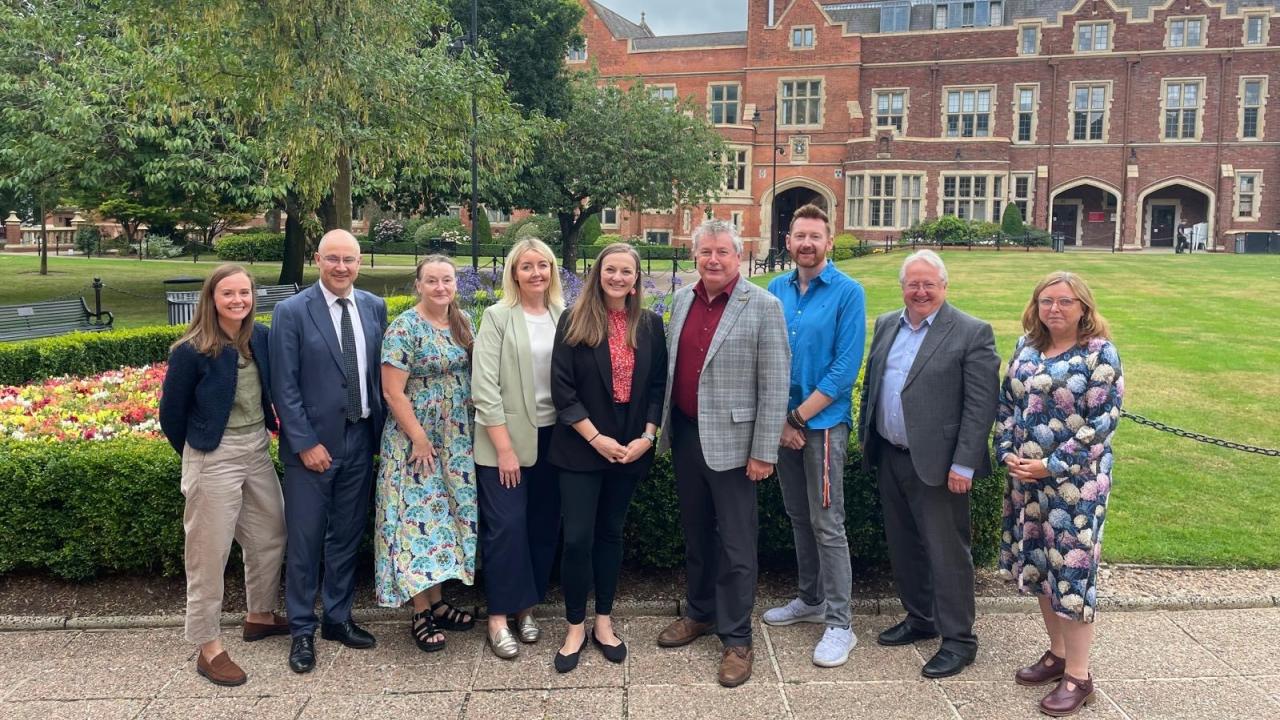
The relationship between UC Davis and Kyrgyzstan took an important step forward in 2024, when the Association of Berry Growers of the Kyrgyz Republic led by Tilek Toktogaziev traveled to California to learn about the university’s strawberry breeding program and the state’s strawberry industry.
During the visit, the delegation met with Isaac Rainwater of the UC Davis Office of Technology Transfer, members of the UC Davis Strawberry Breeding Program as well as various California growers and nurseries. Discussions focused on bringing UC Davis strawberry varieties to Kyrgyzstan and exploring opportunities to improve local production.
At the conclusion of the visit, a test agreement between the two parties was signed for the Association to begin working with UC Davis strawberry varieties in Kyrgyzstan. The agreement represented more than the introduction of new plants. It created a pathway for decades of agricultural research and knowledge to reach growers in a new part of the world.
Genetics and knowledge working together
Developing a successful strawberry variety takes years of research. UC Davis breeders evaluate yield, fruit quality, firmness, shelf life, disease resistance, plant architecture and adaptability to different environments.
These genetics provide growers with valuable tools, but genetics alone are not enough. New varieties reach their full potential when paired with the knowledge and practices needed to grow them successfully.
Following the development of the UC Davis partnership, members of the California strawberry industry traveled to Kyrgyzstan to work directly with local growers. Those visitors included Curt Gaines, Glenn Imoto, Oleg Daugovish, Jenny Broome, Mercy Omstead and Miguel Ahumada. They shared practical experience and helped farmers improve production systems, including plant management, irrigation, nutrition and other aspects of commercial strawberry production.
The Association of Berry Growers of the Kyrgyz Republic organized a School of Agronomists, where they selected 50 farmers from more than 300 applicants representing 40 different districts across Kyrgyzstan. In addition to the participants from the Kyrgyzstan, they also trained two students from the Turkestan Region of Kazakhstan, extending the impact of our program beyond national borders. The school was completely free of charge for all participants, and all the California experts mentioned above served as mentors, generously sharing their knowledge, experience, and practical expertise.
What made this initiative particularly impactful was its approach to knowledge sharing. The Association signed an agreement with every student, requiring them to pass on the knowledge they gained to other farmers in their respective regions. This created a powerful multiplier effect, allowing the expertise of their California partners to reach far beyond the original 50 students and benefit many more farming communities across Kyrgyzstan.
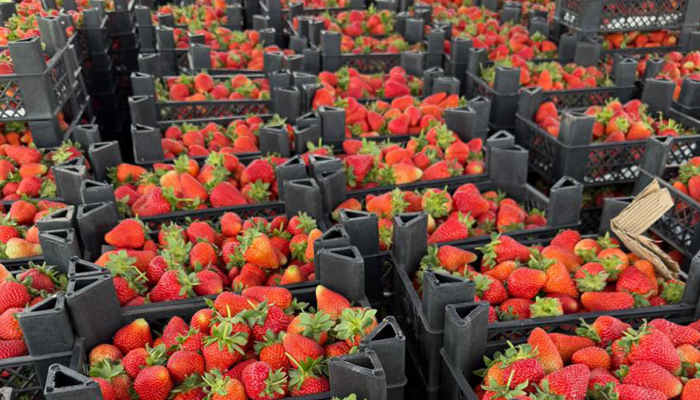
The combination of UC Davis genetics, California production expertise and the commitment of Kyrgyz farmers began producing remarkable results. New varieties combined with improved production practices has resulted with growers in Kyrgyzstan achieving yields as much as three times higher than their previous production levels.
The results have been truly transformational. In the Batken, Jalal-Abad, and Issyk-Kul regions of the Kyrgyz Republic, there are villages (Kadamjai, Shamaldy-Sai, Oruktu and others) that, just three years ago, did not produce a single pound of strawberries. Today, thanks to the cooperation with the California industry, these villages have started exporting more than $1 million worth of strawberries each.
This is a very impactful result for these rural communities. Hundreds of families in each of these villages are now earning incomes higher than those typically earned in the capital city, Bishkek. Even more importantly, there have been dozens of cases of migrant workers returning from abroad to their home villages, reuniting with their families, and building a better future through strawberry farming.
The story demonstrates that agricultural research can be measured not only by varieties released, acres planted or royalties generated, but also by the opportunities it creates for the people who use it.
Technology transfer with a human impact
The Kyrgyzstan partnership illustrates the importance of technology transfer in bringing university research to the people who can benefit from it.
The UC Davis Office of Technology Transfer helps establish pathways for university innovations to reach growers and industry. In this case, the 2024 agreement created a formal opportunity for UC Davis strawberry genetics to be introduced into a new country.
But the agreement was only the beginning. The real impact occurs when growers plant new varieties, adopt improved production practices, harvest more fruit and use the resulting income to strengthen their farms and support their families.
From a research field in Davis to farms and villages in Kyrgyzstan, the UC Davis Strawberry Breeding Program demonstrates the global potential of agricultural innovation. When world-class research is combined with technology transfer, industry collaboration and the determination of local farmers, the results can extend far beyond the field. It can improve livelihoods, strengthen communities and create opportunities for future generations.